

Childhood Apraxia of Speech Therapy in Staten Island
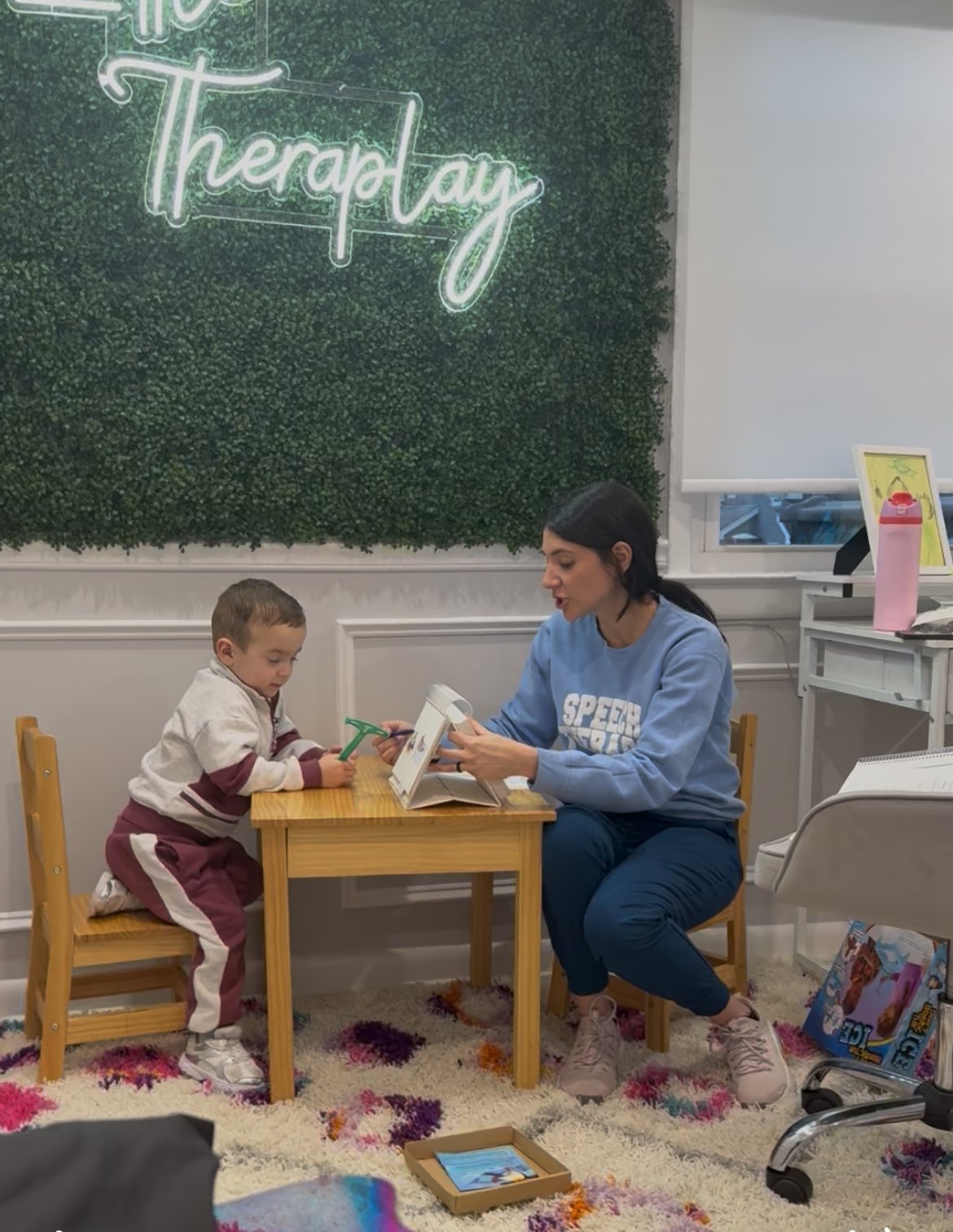

Specialist motor speech therapy for children from birth to 10, led by a speech language pathologist with advanced DTTC training from Dr. Edythe Strand. Your child does not need to be talking to get help.
What is childhood apraxia of speech?
Childhood apraxia of speech (CAS) is a motor speech disorder. Children with apraxia usually understand language well and know what they want to say. The hard part is planning and coordinating the movements of the lips, jaw and tongue that speech needs.
Because the challenge is in movement planning, children with apraxia need a different kind of therapy than a typical speech delay. They learn best with frequent, focused practice using motor learning methods.
Not talking yet?
Children do not need to be verbal to be evaluated or diagnosed with apraxia. You also do not have to wait until age 3.
If something feels off, an evaluation is the best next step.
Early signs of apraxia
Every child is different, and only an evaluation can tell you if your child has apraxia. These are some of the signs parents often notice.
Very little babbling as a baby, or few first words.
Understands much more than they can say.
Says the same word differently each time
Struggles more with longer words and phrases.
Speech that sounds choppy or flat, or is hard to understand.
How we treat apraxia
Every therapist at Little Theraplay is trained to work with children with apraxia of speech. Sessions are play based and built on the methods that apraxia research supports.
CORE METHOD
Dynamic Temporal and Tactile Cueing gives your child just enough support to say a word, then fades it as they get stronger.
DTTC
TOUCH CUES
PROMPT
Gentle touch cues on the face and jaw guide how each sound is made.
PRACTICE
Motor Learning
Lots of practice on carefully chosen words, so new movements become automatic.
REAL WORDS
We choose words that matter to your child, like names, favorite toys and everyday requests.
Functional goals
FAMILIES
Parent coaching
You join sessions, learn the techniques and get simple practice for home each week.
WHOLE CHILD
Many children with apraxia have other needs too. We plan for the whole child, with physical therapy on site when it helps.
Language and more
Why families choose us for apraxia
Little Theraplay was the first motor speech based clinic to open on Staten Island. Our founder keeps learning from leading apraxia researchers and works with a research collaborator every week.
Advanced DTTC
Northeastern University, 2023, taught by Dr. Edythe Strand.
PROMPT trained
Touch cues for speech sound movements.
CCC-SLP
ASHA certified, licensed in New York.
Apraxia research
Ongoing research opportunities for families.

Getting started
1
Request an evaluation
Call or send a short form. We talk through your concerns and check your insurance.
2
Apraxia evaluation
We play with your child and look closely at how they plan and make speech movements.
3
A clear plan
You get results, goals and a therapy schedule built for your child.
Most insurances accepted
We work with most major plans. Call us and we will check your coverage before your first visit.
Apraxia questions
-
No. Children do not need to be verbal to be evaluated or diagnosed with childhood apraxia of speech. We look at how your child uses sounds, gestures and early words.
-
No. You do not need to wait until age 3. If you are worried, an evaluation now can show whether a motor speech problem is part of the picture.
-
A speech language pathologist diagnoses it. Look for one with specific training and experience in motor speech disorders, such as DTTC.
-
Yes. Many children with apraxia also have another diagnosis, such as a language disorder or autism. Apraxia can also stand alone.
-
No. A child with a speech delay is following the usual path, just more slowly. A child with apraxia has trouble planning the movements for speech, so they usually need frequent, specialized practice.
-
Yes, especially at the start. We show you the techniques we use and give you simple practice to do at home each week, because practice between sessions matters.
-
Children with apraxia usually do best with short, frequent sessions. We recommend a schedule after the evaluation.
Worried about apraxia?
You do not have to figure it out alone. Tell us what you are noticing and we will help you take the next step.